Listening Leaders Library
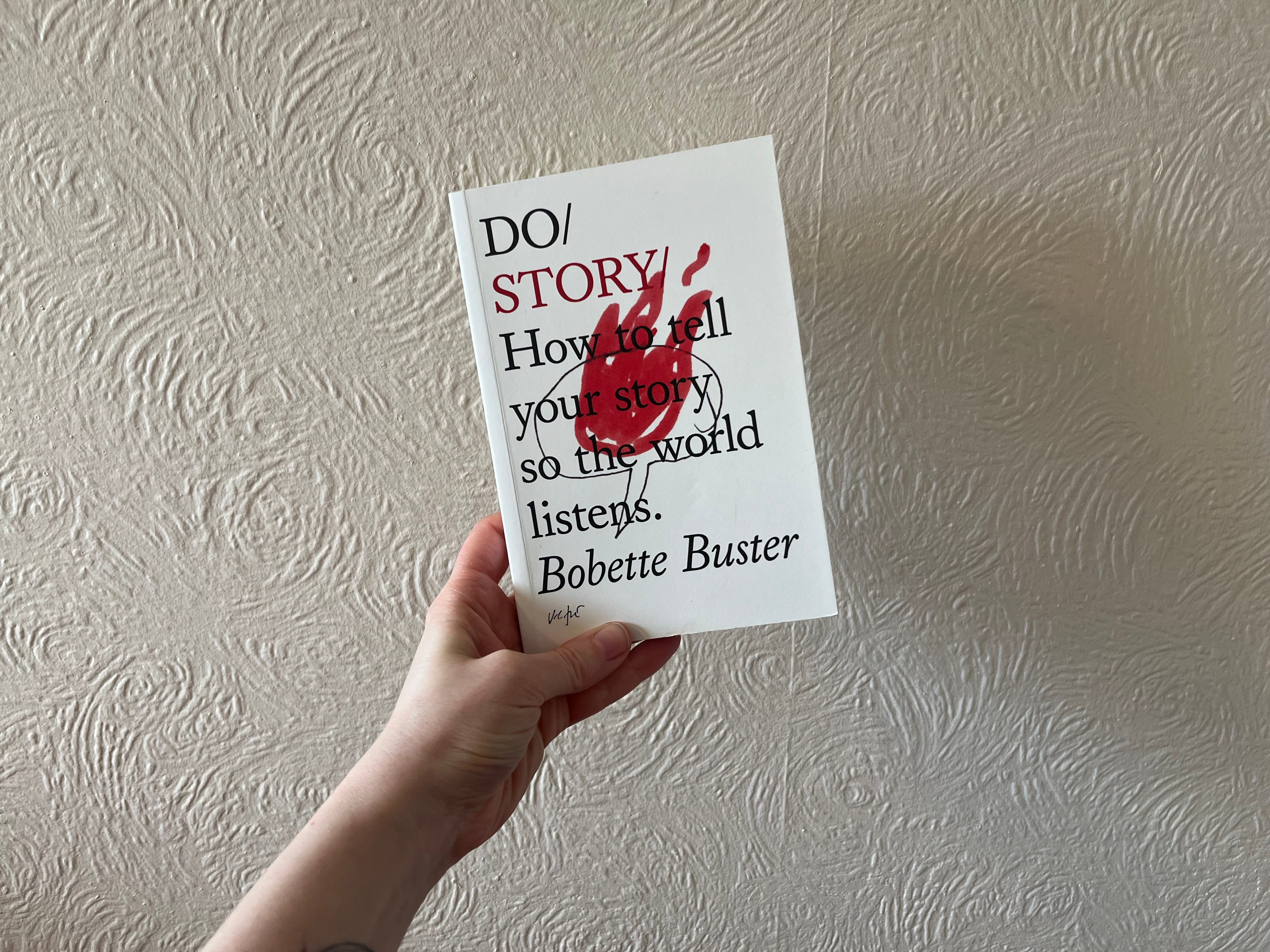
What can we learn from "Do Story" by Bobette Buster

“Stories are prescriptions for courage.” Bobette Buster
Most leaders spend a lot of time learning how to present ideas clearly. Far fewer spend time learning how to tell stories that people actually remember. Bobette Buster’s Do Story is a short but powerful book about the craft of storytelling. Stories help people understand why something matters.
Bobette Buster argues that stories have always helped humans navigate uncertainty. Passed from one person to another, they act like maps through unfamiliar territory. The best stories prepare us for life’s inevitable challenges. They show us that confusion, fear, and doubt are part of the journey, not signs that we are failing.
That is why stories are so powerful in leadership. They help people understand not just what is happening, but how to move through it.
The big ideas I’m taking with me
At its heart, Do Story is about how to tell stories that people feel. The standout recommendations for me were:
Tell the story like you are speaking to a friend. No matter the audience size, the tone should feel human and direct. Stories connect best when they feel personal rather than performative.
Set the scene quickly. Give the place, time, and context so people understand where the story begins, but keep it concise.
Use action. Strong stories move. Active verbs and clear actions keep the listener engaged.
Juxtapose ideas. Placing two contrasting images or ideas side by side can illuminate the deeper meaning of the story.
Use a gleaming detail. Choose one vivid moment or object that captures the essence of the experience.
Be vulnerable. Sharing the uncertainty, emotion, or questions you faced along the way invites your audience into the journey.
My imagination was really sparked by the encouragement to storytellers to draw on sense memory i.e. using one of the five senses to make a moment feel real. Small details like this make stories more memorable.
Where leaders go wrong with this idea
Many leaders assume storytelling means exaggeration or performance. In reality, the opposite is true. Strong stories are often simple and grounded in lived experience. Another common mistake is focusing only on the success at the end of the story. When leaders skip the uncertainty or challenge along the way, the story becomes less relatable. Bobette Buster argues that vulnerability is what creates connection. Sharing the questions you faced, the mistakes you made, or the doubts you felt can feel risky. But these are often the moments when the audience leans in most closely.
The inclusion lens
In many workplaces, communication prioritises data and certainty. These are valuable but they can sometimes leave little room for lived experience. Stories allow people to share perspectives that might otherwise be overlooked. When leaders invite storytelling, they create space for colleagues to explain how decisions or systems are experienced in real life. Stories also build empathy. Hearing someone’s journey helps others understand challenges they may never have encountered themselves.
Recap
My three takeaways are:
First, stories help people understand why something matters.
Second, vulnerability and lived experience are often what make stories memorable.
Third, listening improves when leaders communicate in ways that invite connection rather than distance.
Do Story is a wonderful reminder that storytelling is not just a creative skill. It is a leadership skill. When leaders learn to share experiences honestly and succinctly, they help others see meaning, possibility, and courage in moments that might otherwise pass unnoticed.
Image description: Elizabeth holds “Do Story” by Bobette Buster